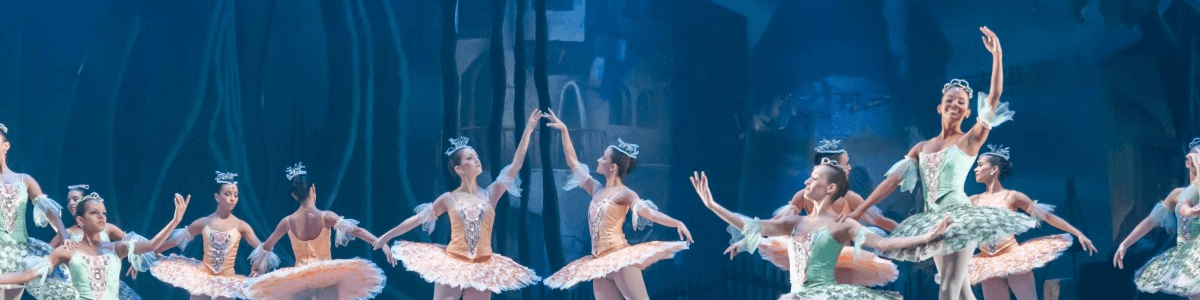
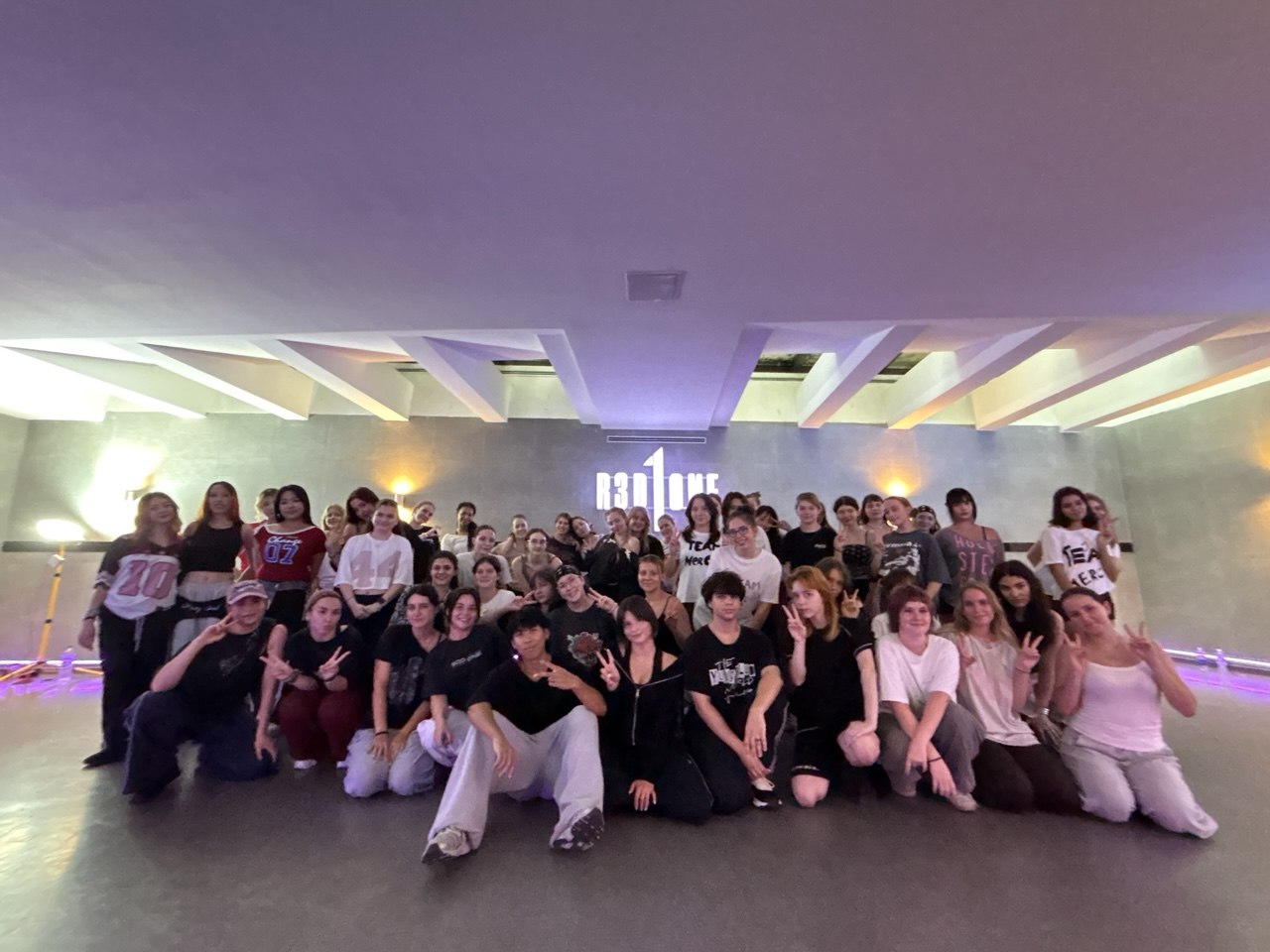
Watch a room full of kids run through a K-pop routine for the first time and it looks like organized chaos — arms going the wrong direction, feet a beat behind the music. Watch that same routine three weeks later, and the chaos has turned into coordination. That shift is doing a lot more for a child’s body than just teaching them a dance.
Between years of dancing reggaeton, lady style, hip-hop, and more recently K-pop and a bit of tango, I’ve seen this transformation happen constantly — in myself and now in the kids I teach. Here’s what’s actually going on physically.
1. Coordination and Motor Skills
Kids aged 7 to 15 are still developing gross motor coordination — the ability to control large muscle groups together, smoothly and on purpose. Dance builds this fast because it demands multiple body parts moving in different directions, on specific counts, in sync with music and often with other people. K-pop choreography especially is layered — arms doing one thing, footwork another, all while staying synced with a group — making it a full coordination workout disguised as a fun routine.
2. Balance and Spatial Awareness
Turns, level changes, and quick formation shifts train proprioception — a child’s sense of where their body is in space. Kids with strong spatial awareness tend to be steadier on their feet generally, and that pays off well beyond the dance floor, from sports to just navigating a crowded hallway without tripping over their own feet.
3. Cardiovascular Fitness
A full K-pop routine, run through a few times, is genuine cardio. The stop-start intensity — bursts of high energy followed by brief recovery — closely resembles interval training, one of the most effective forms of cardiovascular conditioning. Kids aren’t thinking about their heart rate. They’re thinking about hitting the next move. But their heart is getting a real workout regardless.
4. Strength and Flexibility
Dance builds strength functionally rather than in isolation — core stability to control movement, leg strength from squats and lunges built into choreography, upper body engagement from sharp arm hits. Flexibility develops naturally too, since reaching and controlling range of motion is baked into nearly every routine, working with a growing body’s natural movement rather than against it.
5. Body Awareness Without Body Image Pressure
This one matters a lot to me, especially teaching kids in this age range, where body image can start becoming a sensitive topic early. Dance, taught well, builds body awareness rooted in capability — what can my body do — rather than appearance. A kid who nails a tricky eight-count isn’t thinking about how they look doing it. They’re thinking about the fact that they did it.
6. Better Sleep, More Energy
This one surprises parents: kids who dance regularly often sleep better. Structured, vigorous activity earlier in the day supports healthier sleep patterns, and dance — mixing cardio, coordination, and mental focus — tends to leave kids pleasantly tired rather than wired.
The Takeaway
None of this requires a child to be naturally gifted or competitive about dance. These benefits show up simply from consistent movement and practice — which, honestly, is the best argument for dance as an activity for any child.
Next up: the mental and emotional side of dance — the confidence, focus, and social skills that tend to show up not in the studio, but everywhere else in a child’s life.